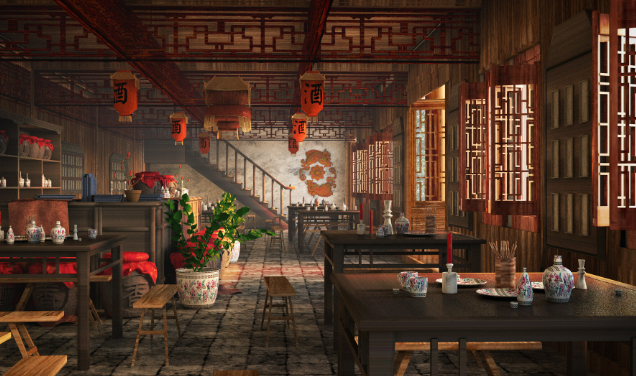
Chinese restaurant dining offers an exciting playground for anyone who enjoys bold flavors, complex aromas, and dishes with plenty of character. Chinese cuisine https://www.newhongkongchineserestaurant.com/ includes far more than familiar stir-fries and fried rice, with regional traditions introducing fiery spices, fermented seasonings, aromatic broths, roasted meats, and richly layered sauces. Sichuan dishes can bring intense heat and a distinctive numbing sensation, while other regional recipes rely on fragrant spices, savory sauces, or tangy ingredients to create depth. Diners can build an adventurous meal by combining spicy specialties with milder dishes, fresh vegetables, noodles, seafood, and rice. This variety makes Chinese restaurants particularly appealing to guests who want every bite to offer something memorable without sacrificing balance across the table.
Sichuan Flavors Bring Serious Character
Sichuan cuisine has earned a strong reputation among diners who enjoy powerful flavors. Chilies provide heat, while Sichuan peppercorns create a distinctive tingling sensation that sets these dishes apart from conventional spicy food. Garlic, ginger, fermented ingredients, and aromatic spices often add additional layers. Mapo tofu, kung pao preparations, and spicy beef dishes demonstrate how cooks can combine heat with savory, fragrant, and slightly sweet elements. The goal does not simply involve making a dish hot. Instead, Sichuan cooking often builds several sensations at once. Diners who enjoy bold flavors can explore different spice levels and discover how carefully balanced ingredients create complexity beyond straightforward heat.
Aromatic Spices Deepen Every Bite
Spices can give Chinese restaurant dishes remarkable depth without relying entirely on chili. Star anise, cinnamon, cloves, fennel, and other aromatic ingredients can appear in braised meats, broths, marinades, and sauces. These spices contribute warmth and fragrance while allowing the main ingredients to remain recognizable. Five-spice seasoning offers another familiar combination, bringing several aromatic notes into one blend. Diners can notice these differences when comparing roasted, braised, and slow-cooked dishes. The aroma often arrives before the flavor, creating anticipation as the food reaches the table. For bold-flavor enthusiasts, these spice combinations provide an opportunity to explore complexity without focusing exclusively on fiery heat.
Chili Adds More Than Heat
Chili can create different sensations depending on the variety, preparation, and ingredients surrounding it. Fresh chilies can deliver bright heat, dried chilies may provide deeper intensity, and chili oils can spread fragrance throughout noodles, dumplings, and vegetables. Chinese cooking often combines chili with garlic, vinegar, fermented pastes, or Sichuan peppercorns to create layered profiles. This approach prevents spicy dishes from becoming one-dimensional. Diners can also pair fiery selections with steamed rice, mild vegetables, or delicate seafood to create balance. Exploring different chili-based preparations can help diners understand why spicy Chinese cuisine includes such a wide range of experiences.
Fermented Ingredients Add Depth
Fermented ingredients can provide some of the most distinctive flavors on a Chinese restaurant menu. Fermented bean pastes, black beans, preserved vegetables, and other ingredients can introduce savory, salty, tangy, or earthy notes. These flavors often appear in sauces, stir-fries, braised dishes, and noodle preparations. Fermentation creates complexity that develops gradually rather than arriving as one obvious sensation. Diners unfamiliar with these ingredients may find them surprisingly rich and memorable. Trying them alongside simpler dishes can make their character easier to appreciate. For adventurous eaters, fermented flavors offer another path toward discovering the deeper side of Chinese culinary traditions.
Roasted Meats Bring Rich Flavor
Roasted meats provide bold aromas and satisfying textures without necessarily relying on extreme spice. Roast duck, char siu, and other roasted specialties can develop rich surfaces through careful seasoning and controlled cooking. Char siu often balances savory flavors with gentle sweetness, while roast duck creates contrast through crisp skin and tender meat. These dishes pair naturally with steamed rice, vegetables, noodles, or lighter soups. Their richness can also balance spicy dishes on a shared table. Diners looking for bold flavors do not need to focus exclusively on chili. Roasting itself can create remarkable depth through caramelization, seasoning, texture, and aroma.
Wok Cooking Creates Intensity
High-heat wok cooking gives many Chinese dishes their distinctive aroma and texture. Stir-frying allows ingredients to cook quickly while maintaining crisp vegetables and tender proteins. Garlic, ginger, scallions, chilies, and sauces can release their aromas rapidly under intense heat. The technique also creates opportunities for contrasting textures within a single dish. Crisp vegetables can accompany soft tofu, while tender beef can combine with crunchy peppers or mushrooms. Diners who enjoy expressive flavors can explore different stir-fried combinations to see how the wok transforms simple ingredients. Timing plays a major role, making technique an important part of the final flavor.
Bold Sauces Transform Familiar Foods
Sauces can turn ordinary ingredients into dishes with remarkable personality. Soy sauce provides savory depth, vinegar introduces brightness, chili oil adds heat, and sesame brings a nutty aroma. Hoisin, oyster sauce, fermented bean pastes, and other traditional seasonings create additional possibilities. A familiar protein can taste completely different when paired with a new sauce. Diners can use this variety to explore several flavor profiles during one meal. A tangy preparation can balance something rich, while a spicy sauce can bring energy to mild vegetables or noodles. Paying attention to sauces helps bold-flavor fans discover how Chinese cuisine creates complexity through carefully balanced components.
Noodles Carry Powerful Flavors
Noodles can become surprisingly intense when paired with spicy oils, fermented sauces, aromatic broths, or richly seasoned toppings. Thick noodles provide a satisfying chew and can carry substantial sauces, while thinner varieties absorb lighter preparations. Beef, pork, shrimp, mushrooms, greens, and scallions can add further layers. Some noodle dishes emphasize chili, while others rely on garlic, sesame, or fermented ingredients for their character. Diners can compare different preparations to find the type of boldness they enjoy most. A noodle dish can therefore provide both comfort and intensity, making it an excellent choice for guests who want something flavorful without selecting a large number of separate dishes.
Seafood Can Deliver Unexpected Intensity
Seafood does not always mean mild flavors. Chinese cooking can pair fish, shrimp, squid, and shellfish with chili, garlic, fermented sauces, ginger, and aromatic spices. A steamed fish preparation may offer delicate freshness, while a spicy seafood stir-fry can deliver far stronger sensations. Shrimp can absorb chili and garlic particularly well, creating dishes with both sweetness and heat. This contrast gives diners another way to explore bold flavors without relying exclusively on meat. Seafood also works well alongside rice and vegetables, making it easy to build a balanced table around stronger selections.
Vegetables Absorb Bold Seasoning
Vegetables can carry intense flavors surprisingly well when cooks use the right techniques and seasonings. Eggplant, mushrooms, bok choy, Chinese broccoli, green beans, and leafy greens can receive garlic, chili, fermented sauces, sesame, or aromatic spices. Eggplant can absorb rich sauces, while mushrooms provide an earthy foundation for strong seasonings. Green vegetables can retain freshness while gaining fragrance from quick stir-frying. These preparations demonstrate that bold Chinese cooking does not require heavy meat dishes. Vegetable selections can provide some of the most memorable flavor combinations while adding freshness and textural contrast to the table.
Balance Makes Bold Flavors Better
Strong flavors become more enjoyable when diners create contrast across the meal. A spicy dish can work beautifully beside steamed rice or mild vegetables, while rich roasted meat can pair with a tangy side. Fresh seafood can provide a lighter element between heavily seasoned selections. Tea can also refresh the palate between stronger bites. This balance allows diners to enjoy intensity without overwhelming their senses. Instead of ordering several dishes with identical levels of heat or richness, guests can build a varied table with different flavor strengths. The contrast makes every dish feel more distinctive and gives bold flavors room to stand out.
Tea Refreshes the Palate
Tea offers a natural companion to bold Chinese dishes. Jasmine tea brings floral fragrance, green tea provides freshness, while oolong and pu-erh offer deeper profiles. A warm cup can create a refreshing pause after spicy noodles, roasted meats, or heavily seasoned stir-fries. Tea also adds a traditional element to the meal and supports the communal rhythm of sharing dishes. Diners can pour cups between selections and allow their palate to reset before trying another flavor. For guests who enjoy intense food, tea can help maintain balance throughout a long meal while adding another layer to the overall dining experience.
Explore Beyond the Spice
Bold Chinese restaurant flavors extend well beyond chili and heat. Fermented ingredients, aromatic spices, roasted meats, wok cooking, rich sauces, and carefully prepared vegetables can all create powerful culinary experiences. Regional traditions offer even more variety, allowing diners to discover different interpretations of savory, spicy, sweet, sour, and aromatic flavors. The most exciting meals often combine several levels of intensity rather than making every dish equally strong. With shared plates, diners can experiment freely and identify new favorites along the way. For anyone drawn to expressive food, Chinese restaurant menus offer a deep collection of flavors waiting to be explored.

